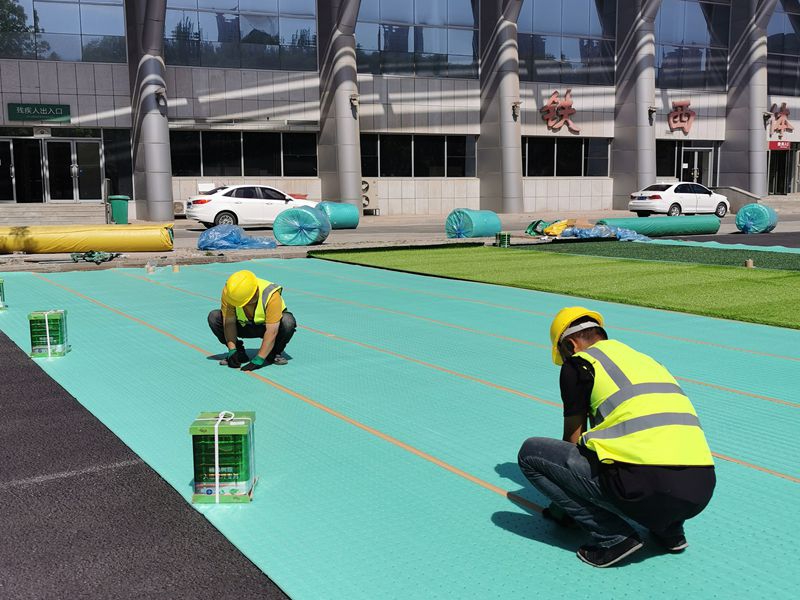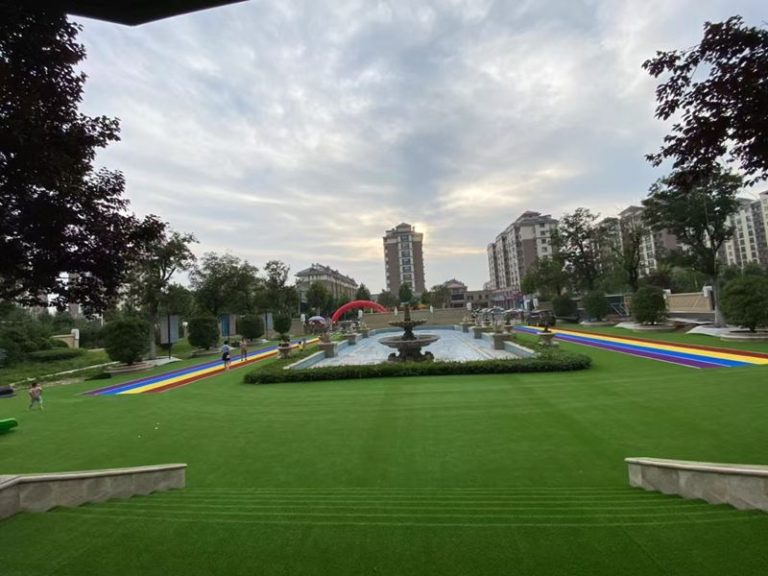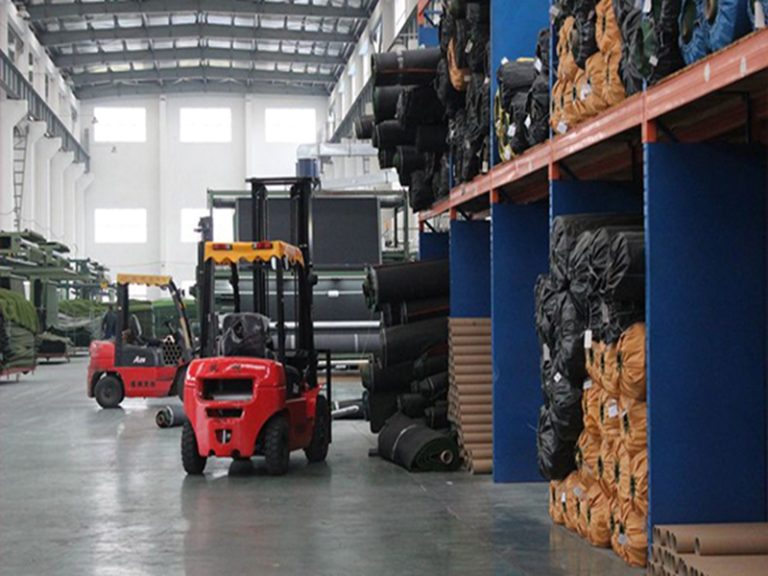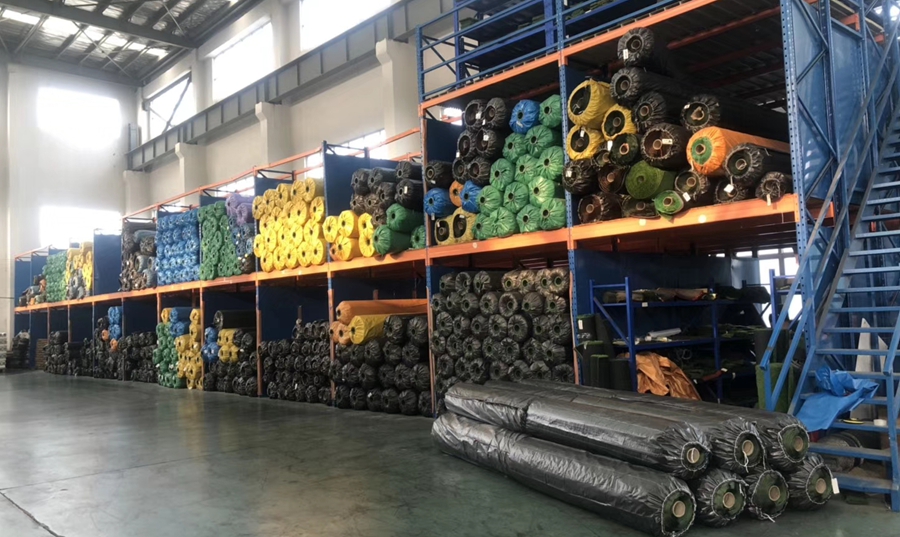
To build an artificial turf football field, the specific materials required for laying include three main types: The dedicated football field is covered with artificial turf, along with quartz sand and rubber particles used for filling the roots of the grass. Now let’s introduce the selection criteria and filling standards for these three materials.
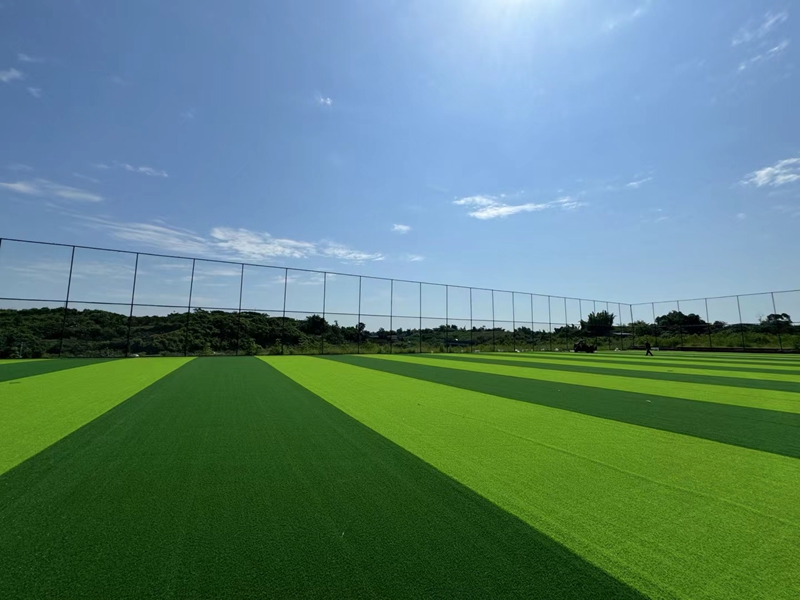
First, let’s introduce the standards for artificial turf specifically designed for football fields and how to choose it.
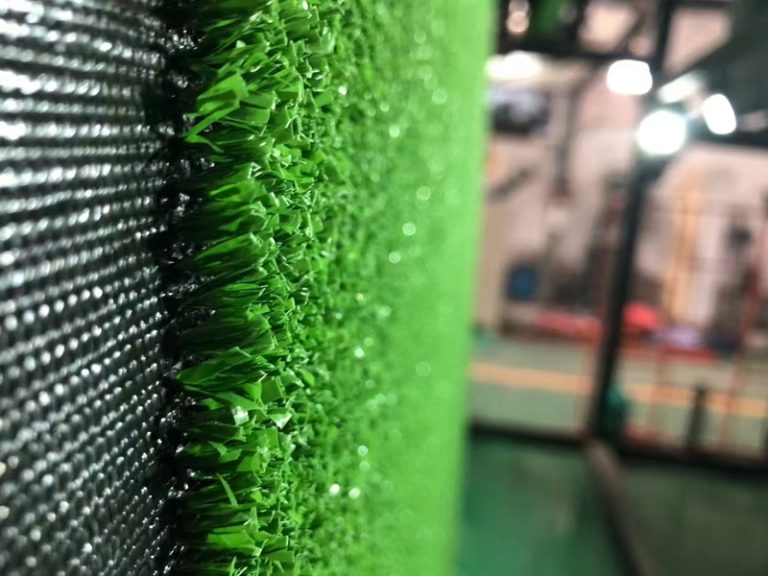
The artificial turf for the football field complies with international standards as follows; The grass height is 5.0 cm and the density is 10,500 needles per square meter. These are the strict standards. The rest is the choice of grass strand weight, which is the ultimate criterion for evaluating the quality of the lawn. The heavier the weight, the better the quality of the lawn, the higher the wear resistance, the longer the service life, and the more expensive the price. Currently, the mainstream range in the market is from 8000dtex to 12000dtex. When making a choice, it is important to note that there are a large number of lawns with falsely labeled weights, as well as lawns with a high proportion of recycled materials and less anti-aging additives. The production quality of this type of configuration of lawns cannot be guaranteed, and the service life is also greatly reduced. Generally speaking, the lifespan of lawns that meet the standard parameters is typically no less than 3 years to 10 years. And for lawns that do not meet the quality standards, they usually reach a state of deterioration within 1 to 2 years.
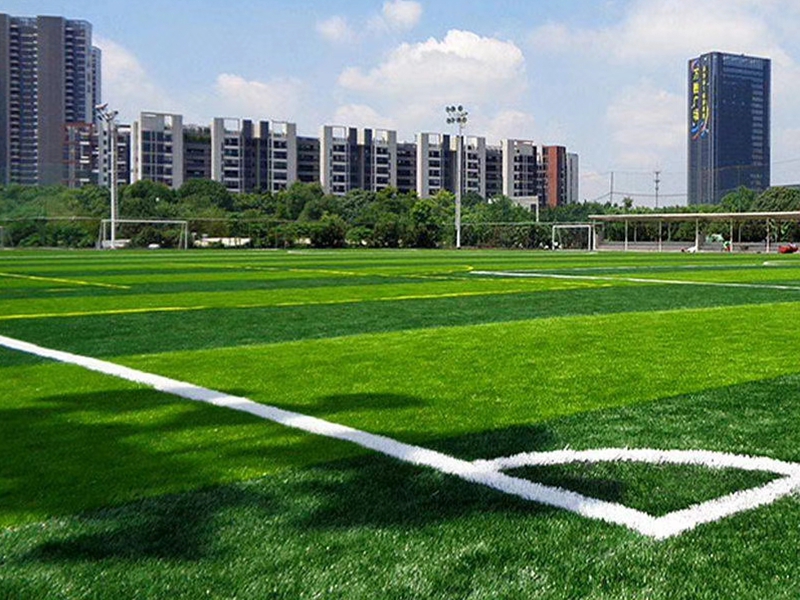
The second aspect is the amount and selection of quartz sand used.
The main function of quartz sand is to protect the roots of the lawn. It ensures that the grass fibers can stand upright after the lawn is filled. This way, it can avoid breaking the grass fibers during intense exercise in the later stage of the movement. The standard filling quantity is 30 kilograms per kilogram. The mesh size (size of the sand grains) standard for quartz sand is between 20 mesh and 40 mesh. When filling the site with quartz sand, it is necessary to ensure a smooth and comfortable surface, without any deep or shallow pits when stepped on.
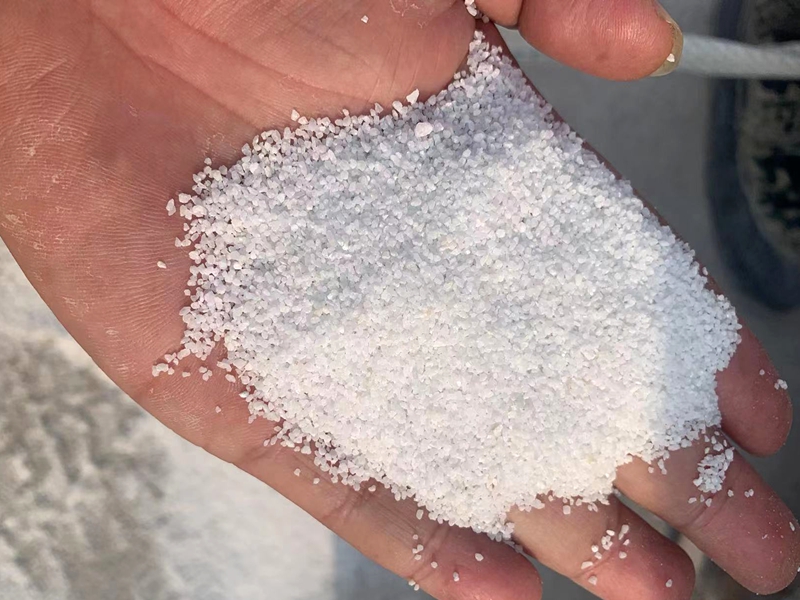
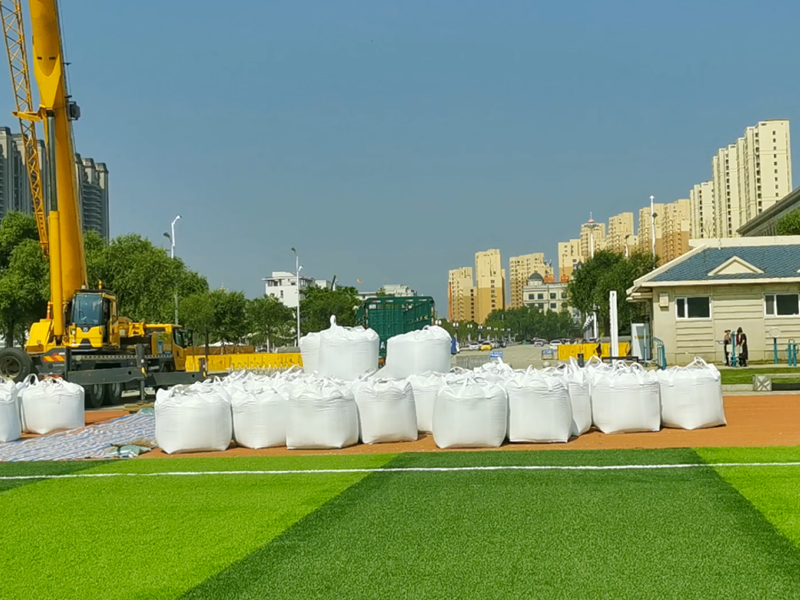
Third, the filling standards and selection of rubber particles and TPE particles;
The filling amount of rubber particles should be at least 4GK, and the standard is 5-6GK. However, in general, due to the consideration of the construction cost budget of the site, it is rare to add sufficient quantities. The size standard of the particles is 1mm – 3mm. When adding, attention should be paid to uniform addition, full coverage, no leakage points, and comfortable and flat foot feel.
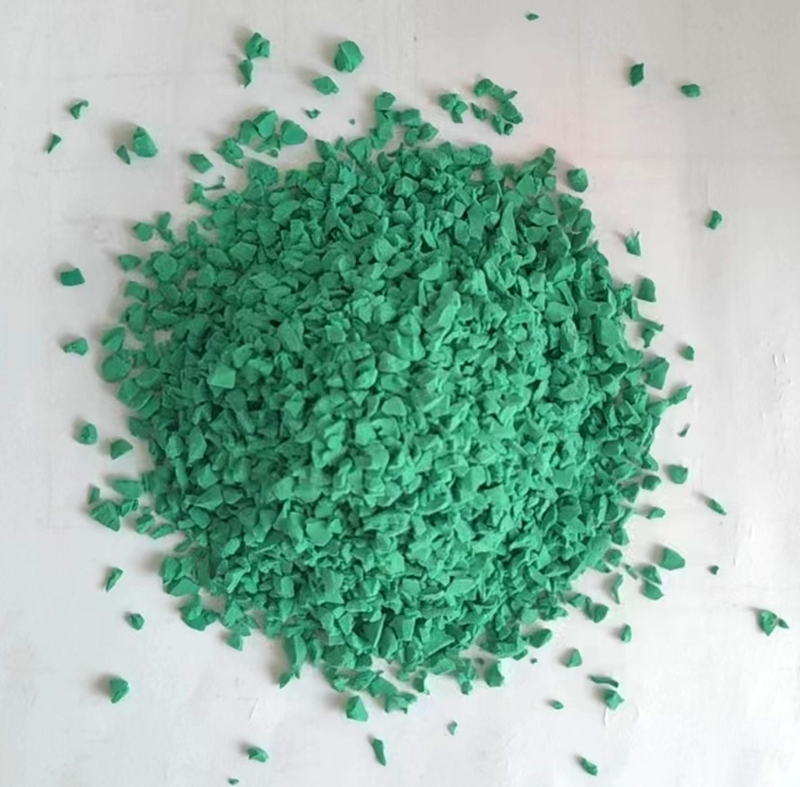
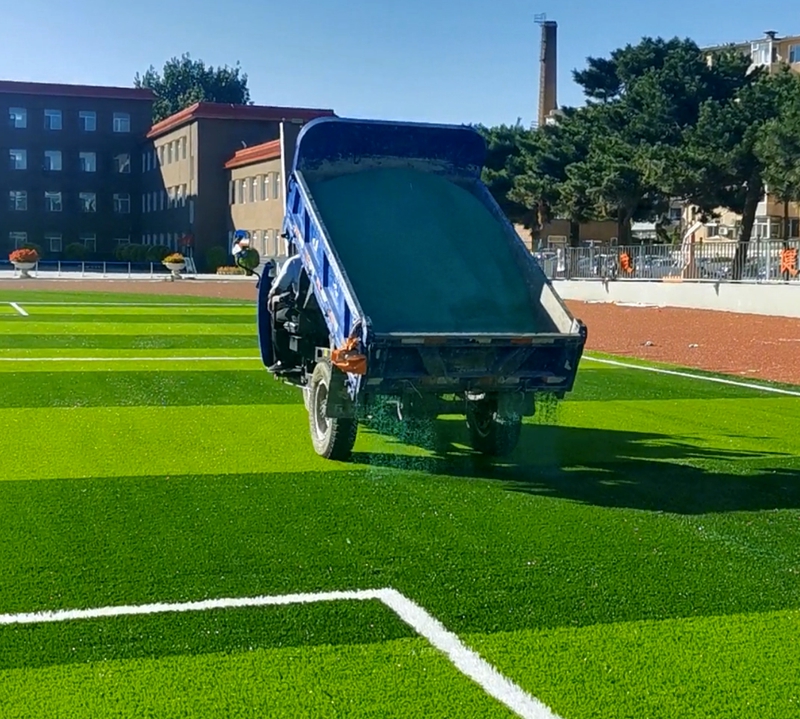
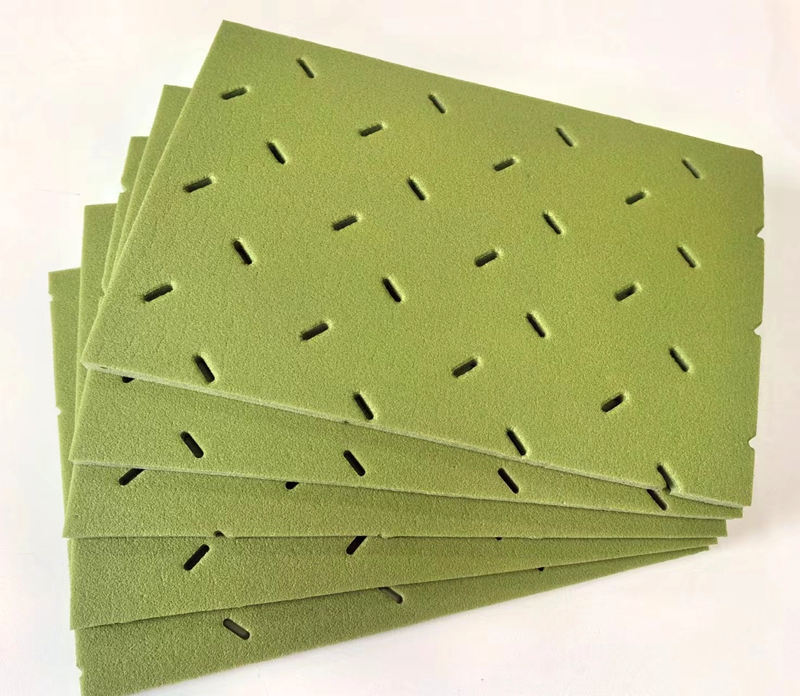
Fourth, the standards and selection of shock absorption pads; R1: “Foam” must be translated as foam. The shock-absorbing cushion is typically not added to general venues, but in recent years, many venues have required its inclusion. The standard thickness of the shock-absorbing cushion is 10mm, and there are two types: foam and TPE. With the addition of the shock-absorbing cushion, the foot feel becomes more comfortable, effectively protecting athletes from injuries caused by high-intensity sports and falls.