How to choose the appropriate artificial turf product correctly? (Professional Full Scene Practical Guide for Lawn Factory)
The main order for choosing artificial turf is to first determine the scene, then look at the parameters, balance environmental protection and cost-effectiveness, avoid merchant traps, and ultimately match one’s own usage needs (durability, aesthetics, safety, etc.). There is no need to blindly pursue high prices or high-end parameters. The best choice is to adapt to one’s own scene. The following is a detailed explanation in 6 steps, and beginners can easily get started.
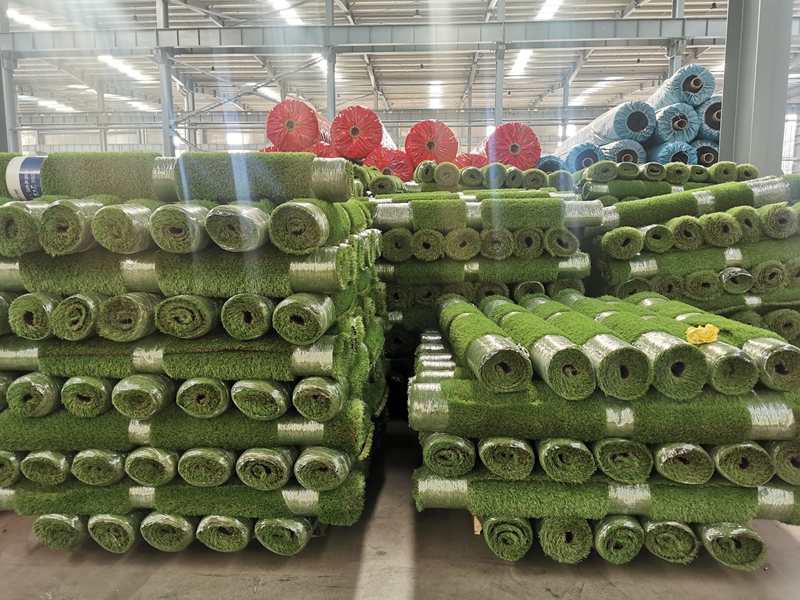
Step 1: First, clarify the scenario you want to use
There are significant differences in the material, parameters, and performance requirements of artificial turf in different scenarios. It is important to first identify the scenario and then make targeted selections to avoid selecting “mismatched” products.
- Family scene (courtyard, balcony, terrace, children/pet activity area)
Requirements: Safe and environmentally friendly, comfortable foot feel, easy to clean, beautiful and durable, no need for high-frequency maintenance.
Key points: Priority should be given to high fidelity, odorless products with soft grass fibers (to avoid scratching children/pets), no need for complex filling, environmentally friendly materials (free of heavy metals and VOCs), suitable for small area cutting, and easy to lay. - Educational scenarios (kindergarten, primary and secondary school playgrounds)
Requirement: Safety first, trampling resistance, compliance standards, while also considering maintenance convenience.
Key points: Kindergartens should choose ultra soft grass fibers (without burrs, not easy to fall off, to prevent children from accidentally eating them), with sufficient cushioning (to prevent falls and injuries); Primary and secondary school playgrounds need to be resistant to nail shoe tearing and impact, comply with the new national standard GB 36246-2018, have authoritative environmental testing reports, and pass the acceptance of the education department. - Sports scenes (professional football field, gateball court, golf putting area, community sports field)
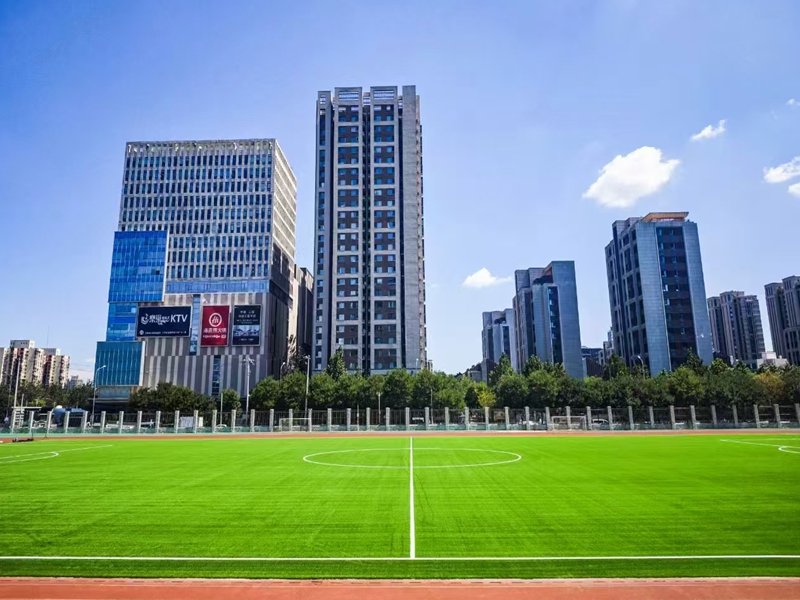
Requirements: Professionalism, high durability, sports performance standards, suitable for high-frequency use.
Key points: Choose single wire reinforced/diamond shaped grass (50mm-60mm) for the football field to ensure ball rolling and rebound performance, and resistance to nail shoe tearing; Choose high-density non filled grass (10mm-15mm) for the gate course/golf putting area, focusing on flatness and ball speed control; Professional venues should prioritize authoritative certified products such as FIFA. - Commercial/Landscape Scenarios (Residential Greening, Parks, Shopping Mall Exhibition Halls, Roof Greening)
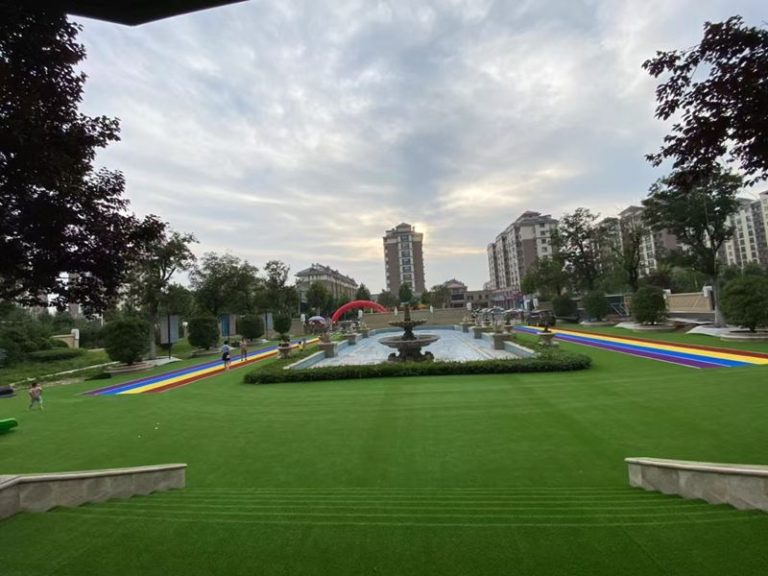
Requirements: Aesthetics, resistance to outdoor environments, easy to clean, suitable for public scenes or display needs.
Key points: The community/park shall be resistant to sunlight and rain, aging, fading and good drainage; Roof greening requires a permeable lawn that is lightweight and does not press down on the roof; The exhibition hall needs to be lightweight, easy to install and dismantle, with high simulation and high aesthetic value, and can be customized in size and color. - Wholesale distribution (wholesale operation of artificial turf from the factory)
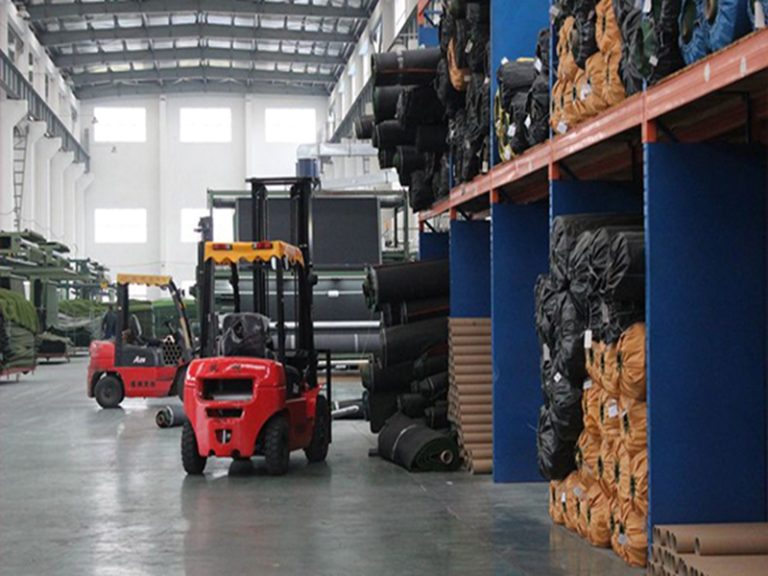
Demand; Excellent cost-effectiveness, stable product quality, and timely delivery of orders.
Key points: Rich product categories, high factory service and cooperation, smooth communication.
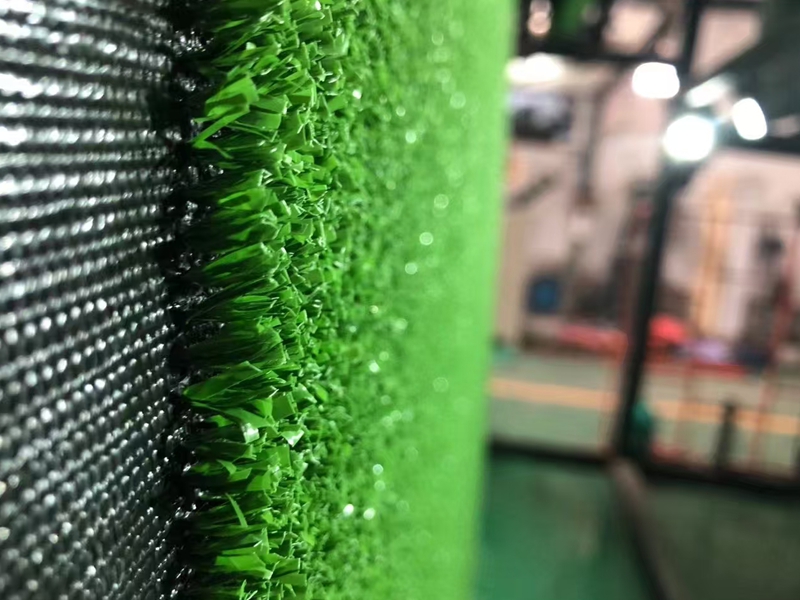
Step 2: Understand the core parameters (avoid parameter traps and not be fooled by merchants)
The core parameters of artificial turf directly determine durability, user experience, and lifespan, without the need for rote memorization. By focusing on understanding the four key parameters, 80% of potholes can be avoided.
- Grass silk material (determines hand feel and durability, prioritize these two types)
There are three mainstream grass silk materials on the market, with significant differences. Choose according to your needs:
-PE (polyethylene): It is the most recommended material with soft hand feel, high simulation, anti-aging, abrasion resistance, no odor, suitable for most scenes such as families, kindergartens and landscapes, and the highest cost performance. It is the mainstream material in the current market.
-PP (polypropylene): It is hard to handle, has an average degree of simulation, and is cheap, but its wear resistance and aging resistance are not as good as PE. It is suitable for temporary use, low budget or non high-frequency use scenarios (such as temporary exhibition halls).
-PA (Nylon): It has a good hand feel, strong toughness, and is the most durable, but it is expensive and has a medium degree of simulation. It is mainly used for professional sports fields (such as high-end football fields), and does not need to be selected for household and ordinary commercial scenarios.
Reminder for avoiding pitfalls: What merchants often refer to as “high bounce grass” or “simulated grass” is essentially made of PE material, so there is no need to spend extra money on gimmicks. - Grass height and density (determining aesthetics, foot feel, and durability)
-Grass height: Grass filament length, unit: mm, suitable for different scenes with different grass heights:
-Home/Landscape: 25-35mm, soft to the touch, beautiful and natural, no need for filling.
-Kindergarten: 15-25mm, ultra short grass fibers to prevent children from accidentally eating, soft and cushioned feet.
-Sports facilities: football field 50-60mm, gatehouse/golf course 10-15mm, tennis court 10-20mm, to be selected according to sports needs.
-Density: The number of grass strands per square meter. The higher the density, the thicker the lawn, the less likely it is to fall, the stronger its durability, and the higher its price. It is recommended to use at least 16800 needles per square meter for household use and at least 20000 needles per square meter for sports fields. It is not recommended to choose needles below 12000 needles per square meter as they are prone to shedding or lodging.
- Adhesive backing and base fabric (determining the service life of the lawn, easily overlooked)
The back glue and bottom cloth are the “foundation” of the lawn, which directly affects whether it will peel off or crack. The key points to consider are 2:
-Adhesive backing: PU adhesive is preferred as it is environmentally friendly, odorless, has strong adhesion, is resistant to aging, and is not easy to crack. It is suitable for all scenarios such as home use and kindergarten; SBR latex adhesive is cheap, but it has a strong odor, poor water resistance, and is prone to delamination, making it only suitable for low budget temporary scenarios.
-Bottom fabric: Choose double-layer bottom fabric (PP bottom fabric+mesh fabric), which has strong tensile strength, is not easy to deform, and is not easy to bulge after laying; Single layer bottom fabric has poor tensile strength and is prone to damage, so it is not recommended to choose. - Whether to fill or not (choose as needed, not all scenes require filling)
-Need to fill: Professional football fields and high-frequency sports fields need to be filled with quartz sand (fixed grass fibers)+environmentally friendly particles (TPE/EPDM, to increase buffering) to avoid grass fiber lodging and enhance the sports experience.
-No need for filling: For home, kindergarten, landscape, exhibition hall and other scenes, choose high-density non filling lawns that are easy to clean, dust-free, prevent children/pets from ingesting particles, and reduce maintenance costs in the later stage.
Reminder for avoiding pitfalls: It is prohibited to choose black particles from waste tires (containing harmful substances), and the filling particles must be confirmed to be environmentally friendly TPE/EPDM materials