Generally speaking, artificial turf courts can be used in almost any weather conditions throughout the year. Artificial grass needs to undergo training. Environmental factors such as rain, snow, ultraviolet radiation, dust, etc. can cause aging and wear, so regular and appropriate cleaning and maintenance have become even more important. Some people’s idea that artificial lawns do not require maintenance is incorrect. By proper maintenance, the venue can continuously ensure optimal athletic performance and increase the lifespan and quality of artificial lawns. Here are 5 method steps provided by simulated turf manufacturers, which can serve as a reference for daily maintenance of artificial turf football fields.
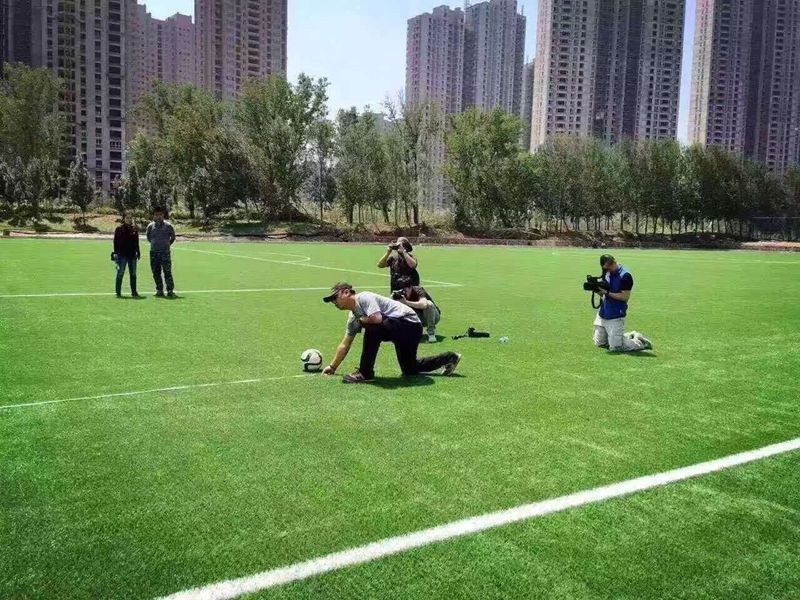
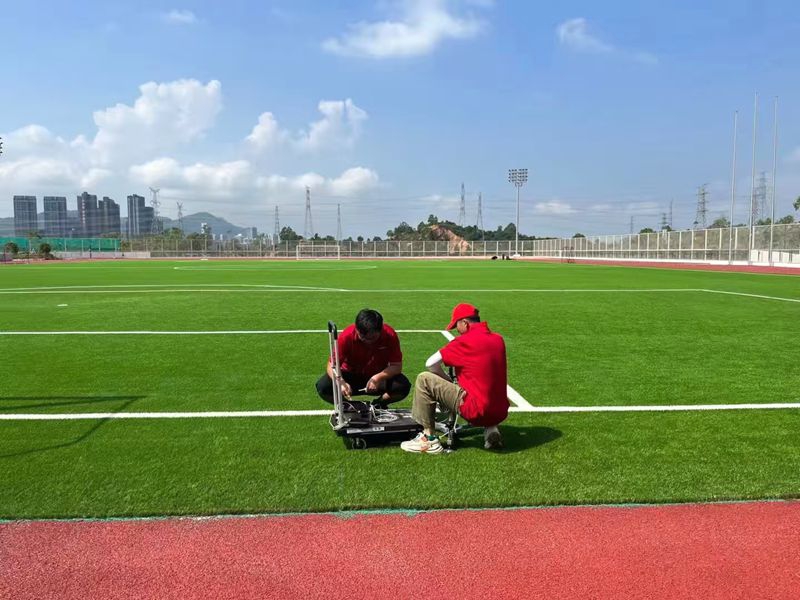
Step 1: Conduct comprehensive monitoring of artificial turf
In many public stadiums, the lack of monitoring often leads to damage to the venue. So in order to maintain the quality of the venue’s use, it is necessary to comprehensively monitor the stadium, promptly repair and maintain any damages found, and try to ensure that the venue has no obvious damage as much as possible. It is not necessary to wait until there is obvious damage to the venue before carrying out maintenance, as this will not only affect the operation of the stadium but also accelerate the degree of damage to the venue
Step 2: Clean up debris
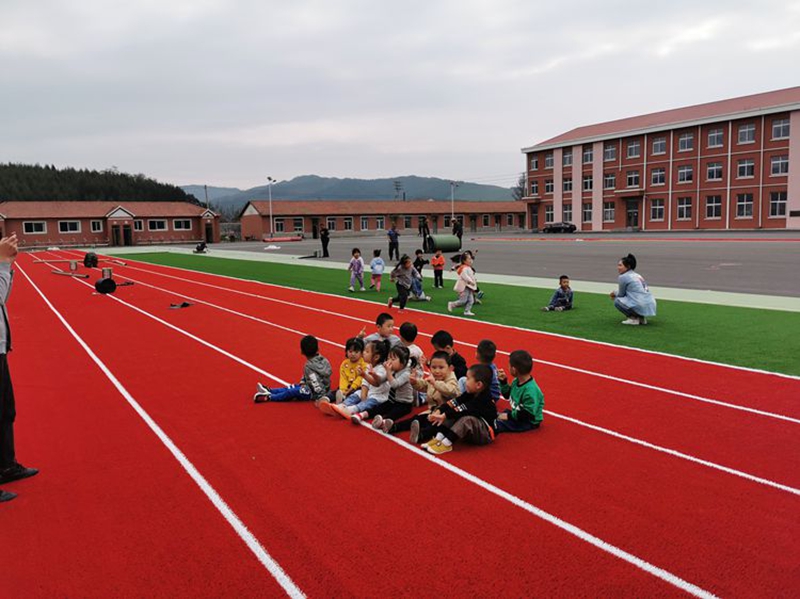
Step 2: Clean up debris
90% of football fields are usually built outdoors, so it is inevitable that there will be debris such as leaves, paper scraps, cigarette butts, etc. Therefore, we need to promptly remove the debris on the field. Slight leaves and paper scraps can be easily removed using a leaf blower or specialized lawn sweeper. But some edges and external areas often gather here, and some debris must be regularly loosened to prevent plant growth. If there is plant growth, it must be completely removed. In addition, sharp objects such as stones, broken glass, and metal elements are the most destructive to artificial grass. This kind of debris must be removed immediately. Chewing gum and adhesives are also particularly harmful to artificial grass. The simplest way to remove chewing gum is to freeze it and carefully remove it from the blade. Also, when oily objects such as gasoline and paint come into contact with artificial grass, sand and sawdust can be used to remove them. The surrounding quartz sand and particles should be replaced as much as possible to prevent the reaction between the oily substances and the grass fibers, fillers, and backing glue.
Step 3: Fill with particles and sand
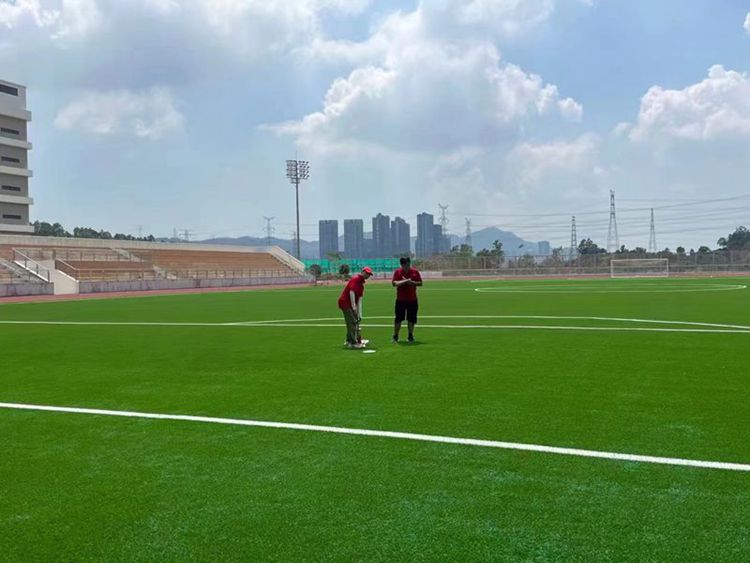
Quartz sand and particles are used to fix grass fibers and ensure the athletic performance of the field. Originally, the filling ratio of most domestic fields was not standardized. In addition, the main positions of the field, such as the penalty area and serving point, were repeatedly placed in the same position, which easily caused the loss of quartz sand and particles. Therefore, it is necessary to fill the field with sand and particles accordingly to maintain the flatness and athletic performance of the field.
Step 4: Fast and professional artificial turf repair
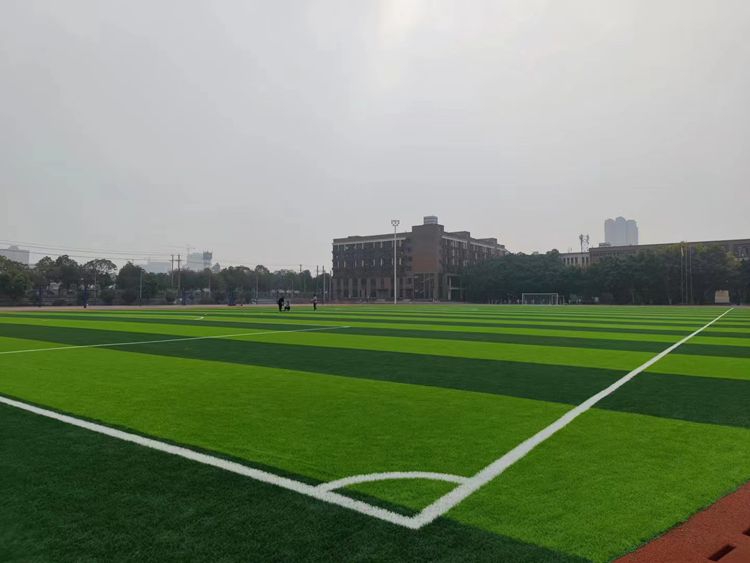
The reasons for damage to artificial turf vary, and in addition to normal trampling use, it may also be affected by climate and environmental factors. The areas where artificial grassland is usually damaged are the joints of the lawn, which are particularly dangerous for players’ sports. In order for athletes to exercise safely on the field, it is necessary to repair the seams. For many non professional field operators, repairing artificial grass is not an easy task. We recommend that everyone find a professional company or construction team to repair it, as some construction materials and quality are guaranteed.
Step 5: Use professional maintenance equipment
Generally speaking, venue managers should brush grass leaves every one to two months – the time interval depends on each artificial turf system. In addition, over time, the layers of sand and rubber particles will become denser and must be repeatedly loosened. To ensure that this daily maintenance is both economical and efficient, grass brushing maintenance equipment can be used. Using a grass brushing device can loosen the solidified filling material again. This way, the artificial grass will become soft and elastic, and the leaves of the artificial grass will stand upright again. It is crucial to set the grass brush machine correctly in order to maintain the best effect by evenly brushing the filling material. If the bristles are too high off the ground, they won’t be able to brush all the grass strands. In this case, the rubber particles are only partially brushed up and unevenly distributed.
In general, even newly constructed artificial turf football fields require maintenance to maintain their lifespan and athletic performance for over 10 years. Operators can obtain professional advice from artificial turf manufacturers regarding stadium care or professional cleaning support for artificial turf.
Artificial turf manufacturer, artificial turf manufacturer wholesale, wholesale price simulation artificial turf