The core difference between artificial turf and natural turf
The core differences are concentrated in four dimensions: material properties, usage restrictions, maintenance requirements, and cost structure. The specific differences are as follows:
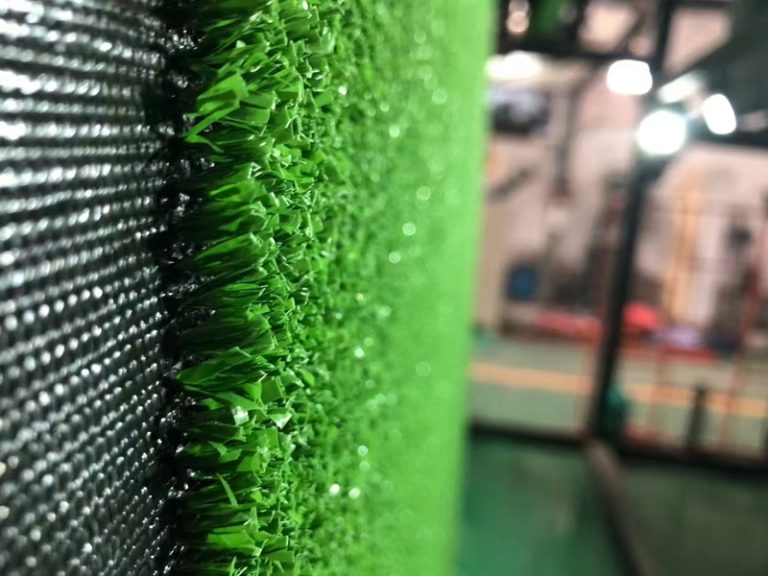
- Material properties: Artificial turf is a non living synthetic fiber product (mainly made of PE, PP, PA materials), composed of a grass layer, a buffer layer, and a base layer, and has no natural growth ability; Natural lawns are living herbaceous plants that rely on soil, water, and climate for growth, forming a complete micro ecosystem.
- Usage restrictions: Artificial turf can be used 24/7, not affected by extreme weather or seasons, and has no dormancy period; Natural lawns are greatly limited by climate and seasons, with high temperatures prone to yellowing and low temperatures prone to dormancy. After frequent use, they need a long time to recover. Rainy days are prone to waterlogging, and drought is prone to withering.
- Maintenance requirements: Artificial turf is easy to maintain, without the need for watering, fertilizing, or trimming, only requiring regular cleaning and particle replenishment; The maintenance of natural lawns is complex and requires a professional team to regularly trim, fertilize, weed, prevent and control pests and diseases, as well as carry out soil improvement, drainage maintenance, and other work.
- Cost structure: The initial laying cost of artificial turf is high, and the long-term maintenance cost is extremely low; The initial laying cost of natural turf is low, but the long-term maintenance cost is high, and the total life cycle cost is much higher than that of artificial turf
Their respective advantages and disadvantages
(1) Artificial turf
Advantages:
- Strong durability: PE, PP and other synthetic fibers are used, which are UV resistant, anti-aging, and can withstand high-frequency trampling, with a service life of more than 5-10 years. Some FIFA certified products have a service life of more than 10 years
- Convenient maintenance: No need for watering, fertilizing, or pruning, only daily cleaning of debris and occasional rinsing are required, with an average annual maintenance cost of only about 1/10 of natural lawns, saving time and labor costs
- Wide scene adaptation: Low foundation requirements, can be laid on various surfaces such as cement and asphalt, suitable for various scenarios such as homes, campuses, professional sports fields, commercial landscapes, etc., especially suitable for extreme climate areas (stable use at -40 ℃ to 60 ℃)
- Stable performance: high surface flatness, stable rebound rate and rolling speed of the ball, embedded marking technology, not easy to wear, can meet the standard of the sports field for a long time, and the accumulated water can be drained within 20 minutes after rainstorm
- Environmental Protection Upgrade: The new product adopts recyclable materials, and the filling layer uses environmentally friendly TPE/EPDM particles, which do not release harmful gases. Some products can be recycled and reused to reduce environmental impact
Disadvantages: - High initial cost: The cost of laying high-quality artificial turf is about 150-200 yuan/square meter, which is much higher than the initial laying cost of natural turf. In scenarios with limited budget, careful selection is necessary
- Lack of comfort: The touch is relatively stiff and lacks the softness of natural lawns. Under high temperature exposure, the surface temperature may rise, which may cause discomfort. Some inferior products are prone to static electricity or odors
- Risk of sports injuries: The buffering performance is slightly inferior to natural lawns, and long-term high-intensity exercise may increase the risk of joint and ankle injuries for athletes. It is also easy to cause skin friction injuries during tackle
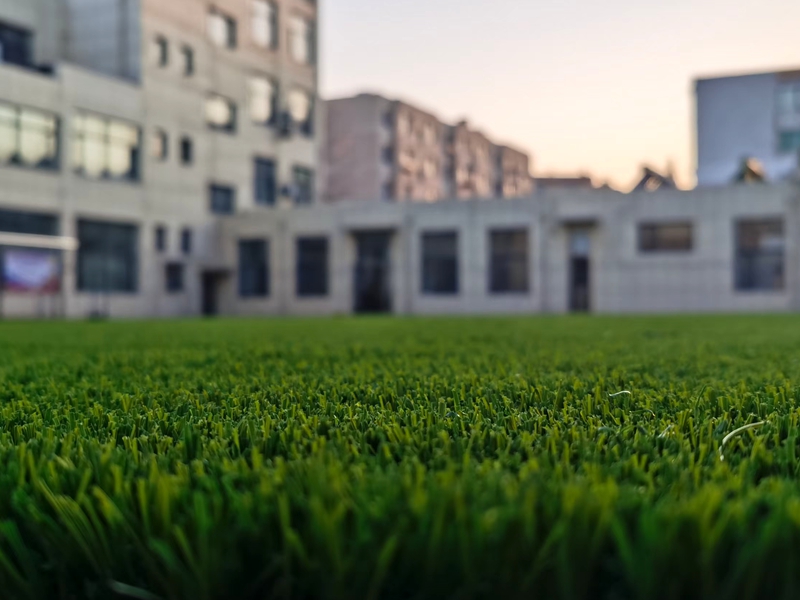
- Limited visual texture: Some products lack sufficient simulation, with uniform colors but lacking natural vitality. When viewed from a distance, they may appear plastic like and cannot completely replace the natural texture of natural lawns
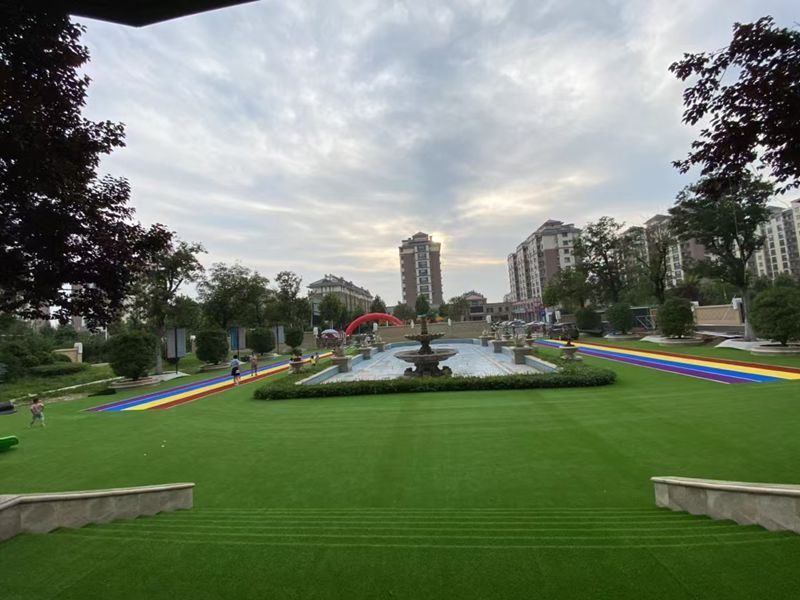
(2) Natural lawn
Advantages:
- Outstanding ecological value: It can absorb carbon dioxide and release oxygen through photosynthesis, absorbing 1.5kg of carbon dioxide per square meter per year. It can also regulate local climate, reduce surface temperature by 3-5 ℃, alleviate urban heat island effect, conserve water sources, and adsorb dust
- Excellent sports experience: The grass stem is soft and elastic, with a moderate friction coefficient (0.6-0.8), which can effectively cushion the impact force of athletes landing, reduce the risk of joint damage, and provide a natural foot feel. It is suitable for sports such as football and golf that require precise ball control
- Natural and beautiful visual appearance: The grass leaves are fresh and textured, with soft and layered colors, which can create a natural and comfortable atmosphere. It is suitable for scenes that pursue natural texture, without any plastic feeling
- Good high-temperature comfort: In summer, the surface temperature is mild, without exposure to sunlight or scalding, providing a better barefoot walking experience. It is friendly to human skin and less likely to cause discomfort
Disadvantages: - Extremely high maintenance costs: Taking a 1000 square meter football field as an example, the average annual maintenance cost is 80-120 yuan/square meter, requiring a professional team to regularly trim, fertilize, prevent and control pests and diseases, as well as investing in drainage system maintenance costs. The cumulative downtime for maintenance exceeds 2 months per year
- Poor durability: High frequency use is prone to alopecia areata and wear, and professional football fields need to replace more than 30% of the grass every season, with a long recovery cycle, which cannot meet the high-intensity use requirements all day long
- Weak environmental adaptability: Strict requirements for climate and soil, prone to yellowing at high temperatures and dormancy at low temperatures. In the winter of the north, it turns yellow, while in the rainy season of the south, roots are prone to rot. In arid areas, extensive watering is needed to maintain growth
- Scenario limitations: It needs to be laid on suitable soil and cannot be directly laid on hard surfaces such as cement and asphalt. It is not suitable for special scenarios such as roof greening and indoor exhibition halls. The drainage is poor and it is prone to water accumulation on rainy days, which affects its use
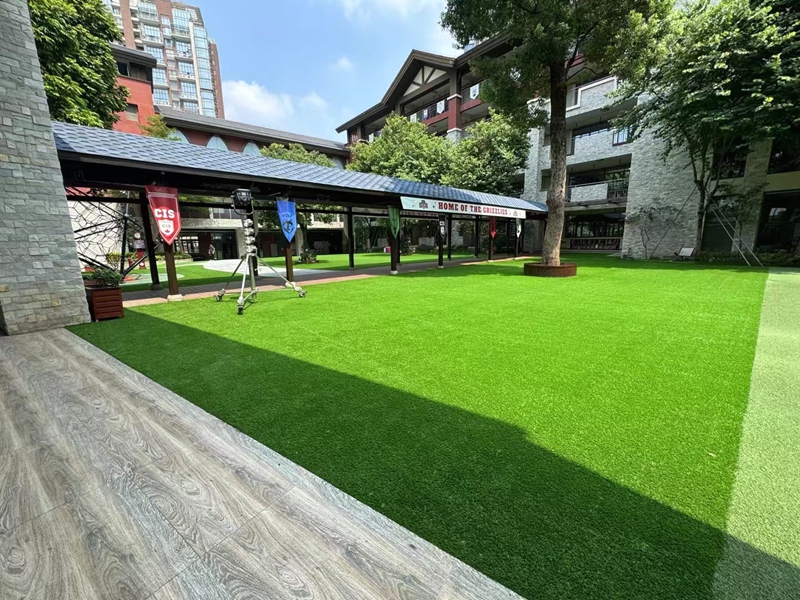
In short, the use of natural grass and artificial grass still needs to be selected according to different application scenarios, and cannot be compared based on a single advantage or disadvantage, ultimately determining the laying application of the site.